Gaming's Price Problem Intensifies
Gaming is becoming significantly more expensive across the board, with rising costs hitting everything from consoles and games to subscriptions and accessories, according to recent reports. The convergence of multiple economic factors is putting pressure on gaming's long-held reputation as the "best value in entertainment."
Major price increases from PlayStation, Xbox, and Nintendo are arriving at a particularly challenging time for gamers, as many prepare for anticipated big releases in 2026, including the next Grand Theft Auto installment. These price hikes signal a broader shift in the gaming industry's economic landscape.
Multiple Factors Drive Cost Increases
According to reports, several interconnected factors are simultaneously pushing gaming prices upward. Rising development costs for modern games are creating pressure throughout the industry, while tariffs and hardware inflation are affecting console pricing. Additionally, semiconductor competition is impacting the availability and cost of crucial gaming components.
The monetization of gaming ecosystems has also contributed to the overall cost burden on consumers. What was once a straightforward purchase model has evolved into a complex web of subscriptions, downloadable content, and premium services that can significantly increase the total cost of gaming.
The New Economics of Gaming
Reports suggest that $80 games may become the new normal, representing a significant increase from traditional pricing structures. This shift reflects the industry's response to escalating development costs and the increasing complexity of modern gaming experiences.
The subscription model has fundamentally changed gaming's value proposition. While these services offer access to extensive game libraries, they represent an ongoing monthly expense that adds to the total cost of gaming ownership.
Console vs. PC Cost Considerations
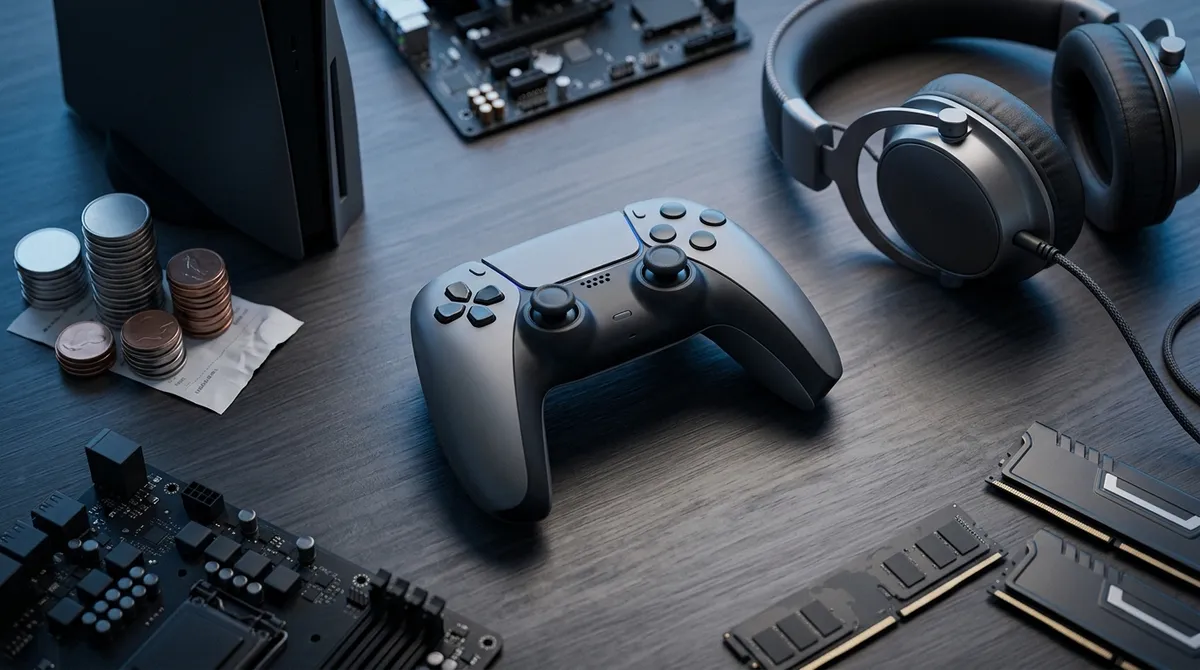
The traditional debate over console versus PC gaming costs has taken on new dimensions as both platforms face price pressures. Console manufacturers are implementing price increases while PC component costs remain elevated due to semiconductor market conditions and increased demand.
Memory storage, an essential component for modern gaming experiences, has also seen price increases that affect both console and PC gamers. The need for additional storage to accommodate larger game files and downloadable content represents another ongoing expense for gaming enthusiasts.
Impact on Gaming's Value Reputation
The gaming industry has historically positioned itself as offering exceptional entertainment value compared to other forms of media consumption. However, the current wave of price increases across multiple categories is challenging this fundamental value proposition.
According to reports, analysts suggest there isn't a simple solution to the current pricing pressures. The combination of technological advancement costs, global supply chain challenges, and evolving business models creates a complex economic environment that affects all aspects of gaming.
Looking Ahead to 2026
The timing of these price increases is particularly significant as gamers look toward major 2026 releases. The convergence of higher hardware costs, increased game prices, and ongoing subscription expenses means that being a dedicated gamer in 2026 will require a substantially larger budget than in previous years.
For budget-conscious consumers, the changing economics of gaming present new challenges in making entertainment spending decisions. The traditional approach of purchasing a console and games may need to be reconsidered in light of the total cost of modern gaming ownership.
Industry Response and Consumer Adaptation
The gaming industry's response to these economic pressures reflects broader trends in technology and entertainment sectors. As development costs continue to rise and hardware becomes more sophisticated, price increases appear to be an inevitable part of the industry's evolution.
Consumers are now faced with more complex decisions about where to allocate their gaming budgets, whether to prioritize console ownership, PC gaming, subscription services, or individual game purchases. The days of straightforward gaming economics appear to be giving way to a more nuanced and expensive landscape.
The shift represents a significant moment for the gaming industry as it balances technological advancement with consumer accessibility, potentially reshaping how people engage with gaming as a hobby and form of entertainment.